Engineering Review & Prototypes
We read your print before quoting and tell you what will fight the tool, then prove it with a prototype.
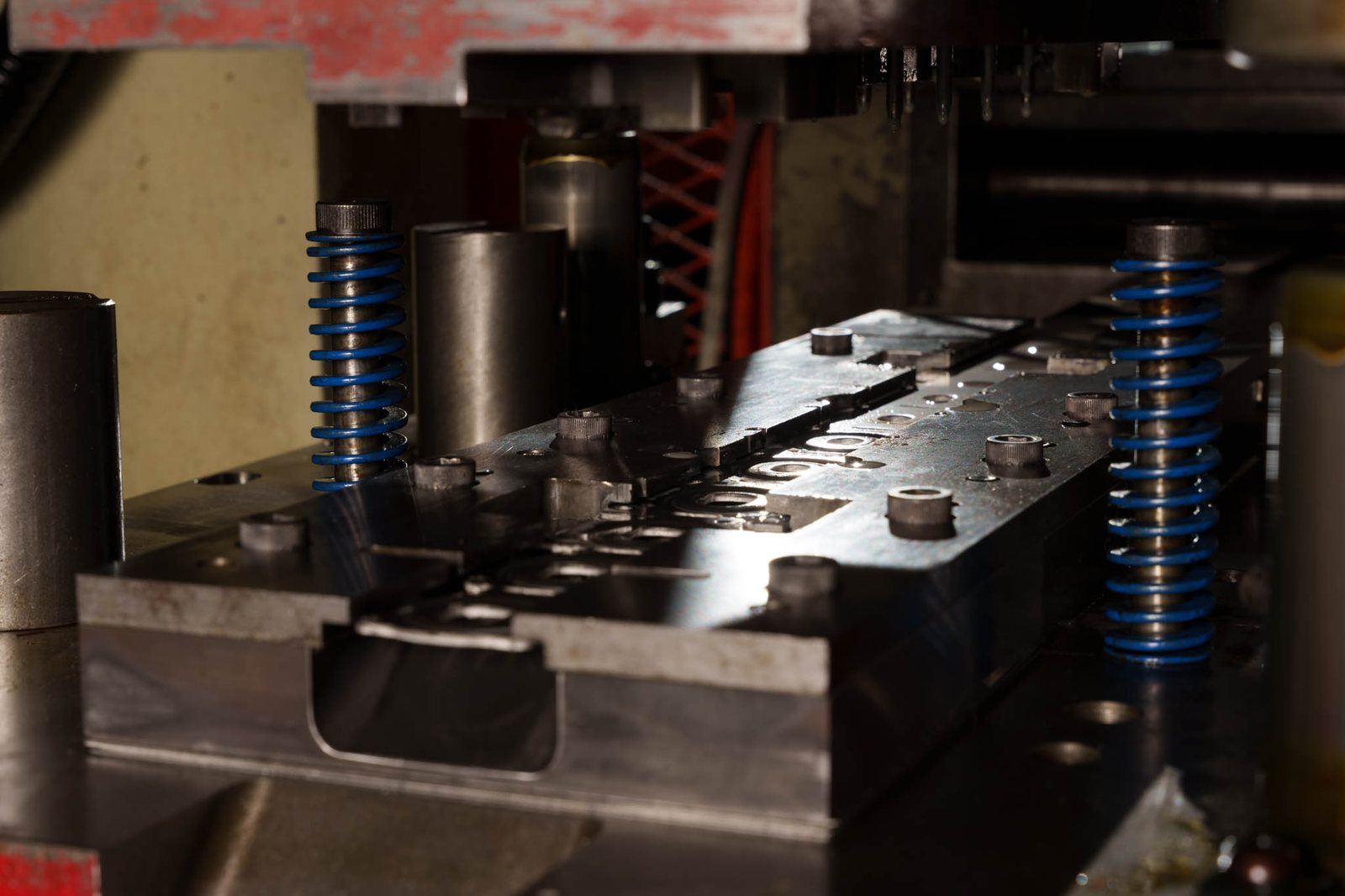
We read your print before we quote it, and we tell you what is going to fight the tool. That conversation costs nothing and it is the single cheapest thing that will ever happen to your part.
A feature that is awkward to form does not announce itself at the quote stage. It announces itself at tryout, when the tool is cut and the fix is expensive. A radius that is too tight for the material, a hole too close to a bend, a flatness callout that fights the way the part naturally springs back — all of those are cheap to change on a drawing and costly to change in hardened steel.
What the review covers
- Whether the geometry can be formed at all in the material and gauge specified
- Where the tolerances are doing real work and where they were inherited from a previous drawing and nobody has questioned them
- Whether the material is the right choice, or whether a cheaper one would do the same job
- What the part costs to make as drawn, versus what it costs with two small changes
- Which tooling approach your annual quantity actually justifies
Prototypes
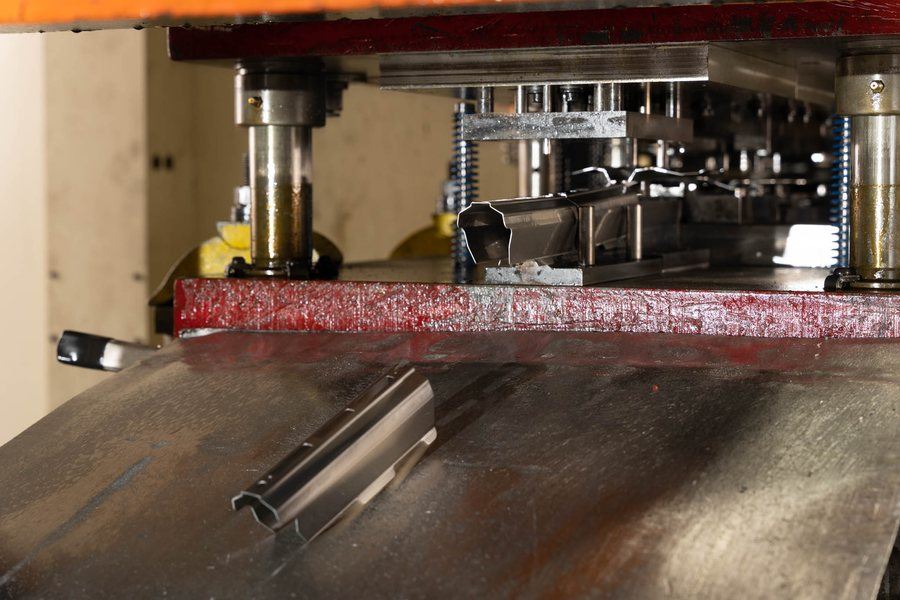
Talking about a part only gets you so far. We prototype in several ways depending on what question needs answering: 3D printing when the question is fit and form, machining or wire EDM when it needs to be the real material, laser and waterjet for flat blanks, and soft tooling when you need parts that were actually formed rather than cut.
Prototype tooling is deliberately cheap. It is not a small version of production tooling and it is not meant to last. It is meant to answer a question before you commit to a die.
Solid modeling
Our engineering work is done in SolidWorks, and tool paths in Mastercam. If you have a model, send it — a solid model removes a whole class of ambiguity that a 2D print leaves in. If you only have a drawing, or a sample part and no drawing at all, that is workable too. We will tell you where we are having to guess.
What we will turn down
We would rather decline a job than take it and disappoint you. Features that need tolerances tighter than plus or minus five thousandths of an inch across a stamped feature are usually a machining job rather than a stamping job, and we will say so. That is not us being modest about the equipment; it is what stamping physically does.
Common questions
Do you charge for the engineering review?
No. Reading your print and telling you what will cause trouble is part of quoting the job.
Can you work from a sample instead of a drawing?
Yes. It is harder and we will be explicit about where we are inferring rather than measuring, but it is common and it works.
How fast is a prototype?
It depends entirely on the method. A 3D print answers a fit question in days; a soft tool that makes real formed parts takes longer. Tell us which question you are trying to answer and we will pick the cheapest way to answer it.
Send us a print
Tell us the part, the material and the annual quantity. We will come back with a straight answer on tooling, lead time and price.
Open Monday through Friday.